Turbo Talk: Are Aftermarket Turbos Actually Bad for Performance?
If you spend enough time in the diesel world, you’ve probably heard the horror stories. Someone installs a massive aftermarket turbo, and three months later, they’re on the side of the road with a blown head gasket, melted pistons, or a pile of shrapnel where their compressor wheel used to be. It’s enough to make any truck owner nervous. You start thinking, “Maybe the factory knew best. Maybe I should just leave it alone.”
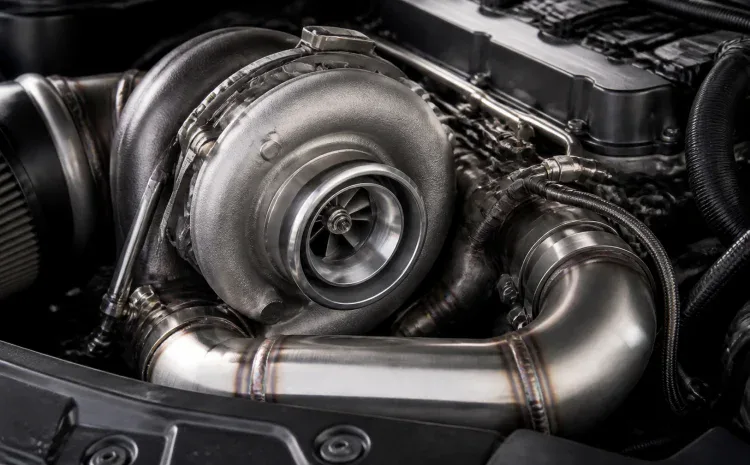
But here’s the truth: aftermarket turbos aren’t “bad” for performance. In fact, when done right, they are one of the single best upgrades you can make for your truck’s longevity and efficiency. The problem isn’t the turbo itself: it’s usually a lack of understanding about how airflow, fueling, and heat work together.
At Dirty D’s Performance in Jersey Shore, PA, we see trucks every day that are being pushed past their limits on stock hardware. Whether you’re hauling heavy equipment through the PA hills or looking for a more responsive daily driver, understanding the “why” behind turbo upgrades is the first step to building a reliable rig.
The Reliability Myth: Why People Blame the Turbo
The most common myth we hear is that an aftermarket turbo is a “ticking time bomb” for your engine. The logic usually goes something like this: More air means more power, more power means more stress, and more stress means something is going to break.
While there is a grain of truth there: if you’re pushing 800 horsepower on a stock bottom end, you’re asking for trouble: the turbo itself is often the solution to reliability issues, not the cause. Factory turbos are designed to meet a very specific set of emissions and cost requirements. On many trucks, especially the 6.7 Cummins, the stock turbo can actually become a bottleneck.
When you start adding diesel tuning to get more power, you’re typically adding more fuel. If you don’t have enough air to burn that fuel cleanly, your Exhaust Gas Temperatures (EGTs) skyrocket. High EGTs are what actually kill engines. They warp heads, melt pistons, and destroy turbo bearings. An appropriately sized aftermarket turbo flows more air, which helps keep those temperatures down, essentially giving your engine more “room to breathe.”
Sizing Matters: Why “Bigger” Isn’t Always “Better”
The biggest mistake we see drivers around Jersey Shore make is picking a turbo based on a “max horsepower” number they saw on a forum. If you tell us you want a turbo that can support 900 hp, but you spend 90% of your time towing a 15,000-pound trailer, we’re going to have a serious talk.
The Towing Setup
If you use your truck for work or heavy hauling, you want a turbo that spools fast. A massive race turbo might look cool, but if it doesn’t “light” until 2,500 RPM, you’re going to hate driving it. You’ll be constantly downshifting just to get enough boost to pull a grade. For a tow rig, a mild upgrade or a high-quality drop-in replacement is usually the way to go. It keeps your low-end torque snappy while providing better cooling than the stock unit.
The Daily Driver
For those who want a bit more “pep” without sacrificing reliability, a well-matched aftermarket turbo can actually improve fuel economy. By reducing the “drive pressure” (backpressure in the exhaust manifold), the engine doesn’t have to work as hard to push exhaust out. This efficiency gain often results in a smoother power band and better throttle response throughout the city.

The Importance of Cummins Diagnostics
Before you even think about bolting on a new turbo, you need to know what’s going on inside your engine. This is where cummins diagnostics come into play. If your truck has a boost leak, a tired fuel pump, or high crankcase pressure, a new turbo isn’t going to fix those problems: it might actually make them worse by putting more strain on those weak points.
At Dirty D’s, we treat every performance upgrade as a holistic process. We don’t just “parts cannon” your truck. We use advanced diagnostics to check the health of your fuel system and overall engine condition. If we’re working on a 6.7 Cummins repair, we’re looking at the whole picture to ensure that whatever turbo we install is going to live a long, happy life.
Supporting Your Upgrade: Tuning and Fuel
A turbo is just one-half of the equation. To get the most out of an aftermarket unit, your truck needs to know how to use it. This is why we emphasize custom truck work.
When you change the airflow characteristics of your engine, the factory computer (ECM) needs to be adjusted to match. Proper tuning ensures that the fuel delivery is timed perfectly with the new boost levels. Without this, you might end up with a truck that smokes like a freight train and runs hotter than it did before.
Furthermore, your fuel system needs to keep up. If you’re stepping up to a larger turbo to gain significant power, you may need to look at fuel system upgrades to ensure you aren’t leaning out the engine under load.
Why Quality Installations Matter
We’ve seen plenty of “DIY” turbo installs that ended in disaster. It’s not just about bolting the housing to the manifold. It’s about ensuring the oil feed and return lines are perfectly clear, that there’s no debris in the intake tract, and that every gasket is seated properly. A tiny piece of silicone or a stray washer can turn a $2,000 turbo into a paperweight in seconds.
As a dedicated diesel performance shop, we take the time to do it right. We treat every truck that comes into our Jersey Shore shop like it’s our own. We know that for many of you, these trucks are your livelihood. You can’t afford to have your truck sitting in a diesel repair shop because of a rushed installation.
The Dirty D’s Approach in Jersey Shore, PA
We aren’t your average diesel truck repair facility. We live and breathe Cummins engines. Whether you need a standard cummins repair to get back on the road or you’re looking to build a high-performance towing beast, our goal is the same: reliability through expertise.
We understand the local terrain. We know the grades you’re pulling and the weather you’re dealing with throughout Pennsylvania. That local knowledge helps us recommend the exact turbo profile that fits your specific driving style. We’ve seen what works and, more importantly, what doesn’t.
Final Thoughts: Should You Upgrade?
So, are aftermarket turbos bad for performance? Absolutely not. They are a tool. If you use a sledgehammer to hang a picture frame, you’re going to have a bad time. But if you use the right tool for the job, the results are incredible.
A properly selected aftermarket turbo will:
- Lower your EGTs while towing.
- Improve your engine’s ability to breathe.
- Increase your available torque for easier hauling.
- Provide better reliability than a stock turbo being pushed beyond its design limits.
If you’re feeling like your truck is struggling to keep its cool or you’re just looking for that extra bit of performance for your next haul, it might be time to talk about an upgrade. Don’t let the myths keep you from having the truck you actually need.
Ready to see what a real turbo setup can do for your truck? Whether you need a performance boost or expert cummins diagnostics to find an existing issue, we’re here to help.
Contact Dirty D’s Performance today to schedule an appointment or discuss your next build. Let’s get your truck running stronger than ever.