Wrenching for the Long Haul: Essential 5.9 Cummins Repairs Every Owner Should Know
The 5.9-liter Cummins is more than just an engine; for many truck owners around Jersey Shore, PA, it is a legend. Whether you are rocking a 12-valve mechanical beast or the later 24-valve common rail version, these powerplants are famous for their ability to clock half a million miles or more. But that longevity doesn’t happen by accident. While the block and rotating assembly are nearly bulletproof, the components surrounding them require a watchful eye and specialized care.
If you want your Dodge Ram to remain a reliable workhorse for the long haul, you need to stay ahead of the curve. From the notorious “Killer Dowel Pin” to high-pressure fuel system nuances, understanding these essential repairs is the difference between a truck that works as hard as you do and one that sits in the driveway as an expensive paperweight. At Dirty D’s Performance, we live and breathe these trucks, and we have seen exactly what it takes to keep them on the road.
The Infamous Killer Dowel Pin (KDP)
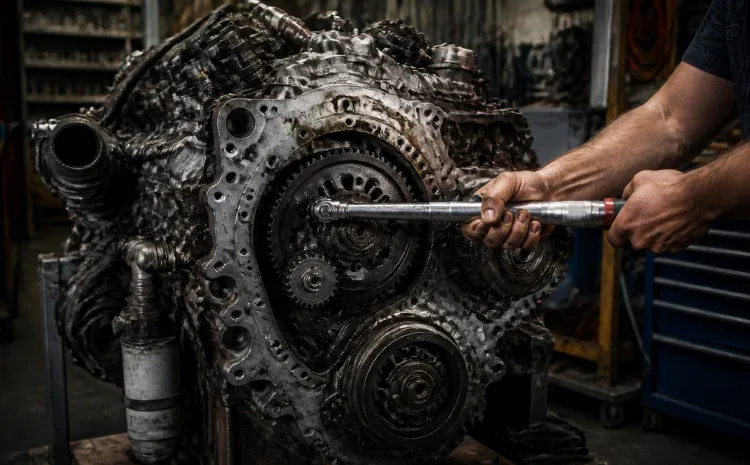
If you own a 12-valve or an early 24-valve 5.9 Cummins, the most critical item on your “to-do” list is addressing the Killer Dowel Pin. This tiny steel pin was used during the assembly of the engine to align the timing gear case to the block. Over time, engine vibration can cause this pin to back out. If it falls, it usually lands directly into the timing gears, causing catastrophic engine failure in a matter of seconds.
It is a small part that causes a massive headache, but the fix is relatively simple and inexpensive compared to a full engine rebuild. Most 5.9 cummins repair specialists recommend installing a tab or a specialized kit to lock that pin in place forever. If you aren’t sure if your truck has been “tabbed” yet, it is worth a trip to a trusted diesel repair shop to have it inspected. Prevention here isn’t just a suggestion: it’s a requirement for long-term survival.
Feeding the Beast: Fuel System Integrity
The fuel system is the most complex part of the 5.9 Cummins, and its needs changed significantly throughout the engine’s production run. Depending on the year of your truck, your repair priorities will look a little different.
The VP44 and Lift Pump Struggle (1998.5–2002)
For owners of the “Second Gen” 24-valve trucks, the VP44 injection pump is the primary concern. This pump relies on fuel for both lubrication and cooling. If your factory lift pump begins to fail: which they often do: the VP44 is starved of fuel, leading to internal overheating and eventual failure.
Common signs include hard starts, white smoke, or the dreaded “dead pedal” where the truck suddenly loses throttle response. Upgrading to a high-quality aftermarket lift pump system like FASS or AirDog is one of the best fuel system repairs you can perform to save your expensive injection pump from an early grave.
Common Rail Injector Care (2003–2007)
When the 5.9 moved to common rail injection, the precision of the fuel system went through the roof. These injectors operate under extreme pressure and have incredibly tight tolerances. Because of this, they are highly sensitive to fuel contamination and heat.
If you notice a rough idle, an increase in haze from the tailpipe, or fuel dilution in your oil, you likely have an injector issue. Catching this early is vital because a leaking injector can quickly melt a piston. Regular cummins engine repairs and maintenance, specifically focusing on high-quality filtration, are the best ways to protect these components.
Breathing and Exhaust: Keeping EGTs in Check
A diesel engine is essentially a massive air pump. For your Cummins to run efficiently, it needs to breathe without restriction. One common issue we see for drivers in Jersey Shore, PA, especially those who tow heavy trailers through the hills, is a cracked exhaust manifold.
The factory manifold is made of cast iron, and through thousands of heat cycles, it can shrink and crack. You might hear a “ticking” sound that follows engine RPM or see black soot marks around the manifold ports. Replacing a cracked manifold with a high-flow aftermarket unit not only fixes the leak but also helps lower your Exhaust Gas Temperatures (EGTs), which is crucial for the health of your turbocharger.
While checking the exhaust, don’t forget the intercooler boots and clamps. Over time, these rubber boots can dry out and crack, leading to boost leaks. A boost leak makes your engine work harder, increases EGTs, and ruins your fuel economy. Tightening clamps and inspecting boots during your general maintenance routine is an easy way to keep your truck’s performance at its peak.

Precision Through Cummins Diagnostics
Gone are the days when you could diagnose every issue with just a set of wrenches and a good ear. Modern diesel trucks require advanced cummins diagnostics to pinpoint sensor failures and electronic gremlins. Issues like a failing Accelerator Pedal Position Sensor (APPS) can mimic transmission problems or fuel starvation, but a proper scan and data log will show exactly what is happening in real-time.
At Dirty D’s Performance, we use specialized tools to look deep into the ECM (Engine Control Module). This allows us to see injector balance rates, fuel rail pressure fluctuations, and turbo boost maps. If your truck is acting up, don’t guess and throw parts at it. Professional diagnostics save you time and money by getting to the root cause the first time.
Front End and Steering: The Cummins Weight Factor
While the engine is the star of the show, we can’t ignore the rest of the truck. The 5.9 Cummins is a heavy piece of iron, and all that weight sits directly over the front axle. This puts immense strain on the ball joints, tie rods, and steering box.
For many owners near Jersey Shore, “death wobble” or vague steering feel is a common complaint. Regular suspension and brake inspections are necessary to ensure your truck remains safe to drive. Upgrading to heavy-duty steering linkages or a steering box brace can significantly improve the handling and longevity of your front-end components.
Local Maintenance for PA Drivers
Living in Pennsylvania means your truck deals with a wide range of conditions: from humid summers to salt-covered roads in the winter. This environment requires a slightly more aggressive maintenance schedule.
- Fuel Filters: Change them every 15,000 miles, or even sooner if you aren’t sure about the quality of the fuel at your local pump. Clean fuel is the lifeblood of a Cummins.
- Coolant Flushes: Don’t neglect your cooling system. Old coolant can become acidic and eat away at your water pump seals and radiator.
- Oil Quality: Use a high-quality oil and a filter designed for diesel applications. The 5.9 holds about 12 quarts of oil for a reason: it needs that volume to keep things cool and clean.
- Brake Inspections: Between the weight of the truck and the salt on the roads, your brakes work hard. Make sure your calipers aren’t sticking and your pads have plenty of life left.
Trust the Experts for Your 5.9 Cummins
Owning a 5.9 Cummins is a point of pride for many truck enthusiasts, but it also comes with a responsibility to maintain it properly. Whether you are looking for a simple oil change or a full-scale performance build, choosing a diesel repair shop that knows these engines inside and out is the best investment you can make.
At Dirty D’s Performance, we treat every truck like it’s our own. We specialize in the Dodge/Ram Cummins platform because we believe in the power and reliability of these machines. From routine maintenance to complex truck work, we are here to help you get the most out of your diesel.
If your 5.9 Cummins needs a check-up, or if you are ready to tackle that KDP fix before it’s too late, give us a call. Let’s make sure your truck is ready for the next 500,000 miles.
Ready to get your Cummins running its best? Contact Dirty D’s Performance today to schedule your next service or diagnostic appointment!